As you consider buying your first home or refinancing in Cardiff, it’s common to feel…
Construction Loans: What Self Employed Buyers Need to Know
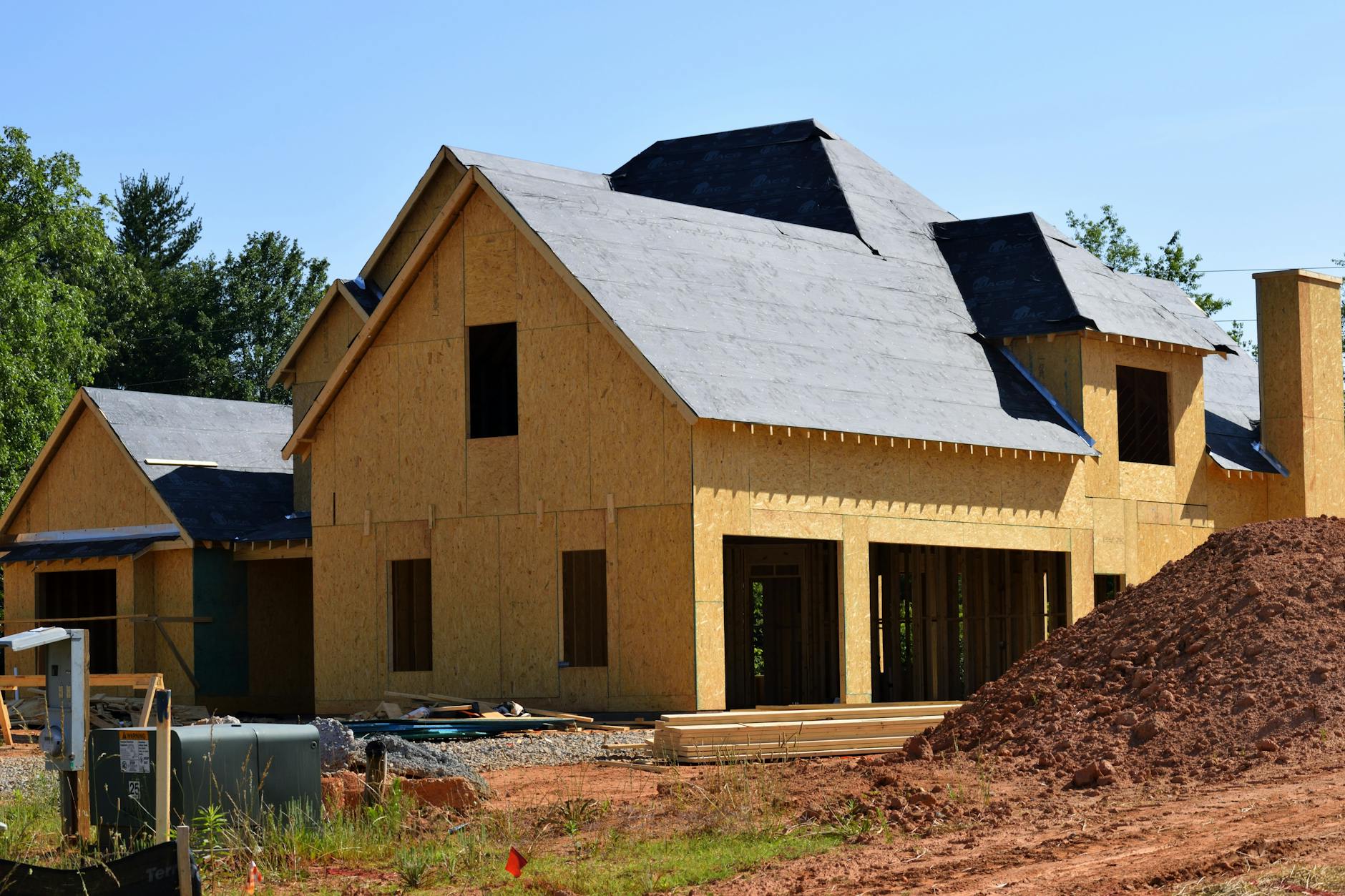
For self-employed buyers, custom-building a home is a dream, but qualifying for the right loan can seem daunting. A construction loan is a short-term loan that funds the building of a new home and requires solid income documentation, which can look different for self-employed borrowers. In this guide, I’ll explain how construction loans work, what documentation self-employed borrowers in coastal North County San Diego (Cardiff, Encinitas, Carlsbad, Del Mar) should prepare, and the steps to a successful approval.
Key Takeaways
- Purpose: Construction loans finance the building of a custom home, then convert or roll into a mortgage when the project is complete.
- Income Documentation: Self-employed borrowers usually need two years of tax returns, business financials, and other proof of steady earnings.
- Timeline: Application to loan closing typically takes 45-60 days, and construction phases are monitored by the lender for up to 12 months or until completion.
- Best For: Self-employed buyers wanting to build a new home, especially in coastal areas like Cardiff and Encinitas, who have strong business income documentation.
Quick Answers for Self Employed Buyers
- What is a construction loan? It’s a short-term loan that covers building costs, released in stages as construction progresses.
- How do self-employed borrowers qualify? You’ll need to prove consistent business income, usually with tax returns, bank statements, and possibly a CPA letter.
- Can I use alternative documentation? Some lenders accept bank statements or P&L statements, but requirements vary widely.
- How does the loan convert to a mortgage? Many construction loans automatically roll into a long-term mortgage once completed, called a “construction-to-permanent” loan.
- What special challenges do self-employed buyers face? Documenting income and showing stability over several years can require more detailed paperwork than traditional buyers.
How Construction Loans Work
A construction loan is a specialized loan used to fund the building of a new residential property, with funds dispersed based on project milestones. Unlike a standard mortgage, the loan amount is drawn in increments as each construction phase is completed—foundation, framing, roofing, etc. Once the build finishes, the loan can be refinanced or “rolled over” into a standard permanent mortgage.
In areas like Cardiff, Encinitas, and Carlsbad, where custom and coastal building opportunities are common, construction loans help buyers turn their vision into reality—but the process can be more involved for self-employed borrowers.
Income Documentation for the Self Employed
Self-employed buyers must prove that their business and personal income are stable enough to support a new mortgage. Banks and lenders scrutinize self-employed applicants more closely, since your income may fluctuate or include business write-offs that reduce your reportable income on tax returns.
Common Documents Required
- Past two years of federal tax returns (personal and business)
- Year-to-date profit & loss (P&L) statement
- Business bank statements (usually last 3–12 months)
- Corporate filings or business licenses (if applicable)
- CPA or tax preparer letter verifying business activity
Lenders evaluate your average net income over at least two years, and may ask for additional docs if there are large swings or unusual entries. The higher your reported income and the longer your business track record, the stronger your application.
Step-by-Step: The Construction Loan Process for Self Employed
- Pre-Qualification & Planning: Meet with a lender to discuss eligibility, loan options, and get a sense of project budgets. It’s wise to start pre-approval early, especially if your self-employment history is complex.
- Application & Documentation: Submit your application along with required documentation (tax returns, business financials, builder agreement, site plans, etc.).
- Project Review: The lender reviews your builder’s experience, project plans, and cost breakdown to approve the construction budget.
- Appraisal: An appraisal is done based on projected finished value of your home (“as-completed value”).
- Underwriting: The underwriter closely reviews all documents—especially income and assets for self-employed buyers.
- Approval & Closing: Once approved, you close on the loan and building funds are disbursed in draws to the builder as progress is confirmed.
- Conversion to Permanent Loan: After construction, the lender will requalify you and/or convert the construction loan into a traditional mortgage.
Special Considerations for Self Employed in Coastal Areas
In places like Cardiff and Encinitas, self-employed homebuyers may run into additional scrutiny due to unique property types, lot constraints, or zoning. Coastal construction often means higher build costs and more complex compliance reviews, so expect more lender documentation and attention to projected home value. Having organized financials and working with experienced local professionals can make the difference.
Comparing Construction Loan Options for Self Employed Buyers
| Loan Feature | Standard Construction Loan | Bank Statement/Alt Doc Construction Loan |
|---|---|---|
| Documentation | 2 years tax returns, P&L, bank statements | 12-24 months bank statements; possible P&L |
| Credit Score | Typically 680+ | Varies, may be more flexible |
| Down Payment | Commonly 20–25% of total project cost | May require higher down payment |
| Availability | Most banks and mortgage lenders | Select lenders in CA, not all offer |
Tips for Success: Preparing as a Self Employed Buyer
- Keep business accounting up to date. Accurate bookkeeping and clear separation between business and personal expenses make documentation easier.
- Address large income swings. Be ready to explain (with documentation) any big year-over-year differences in income or business expenses.
- Choose your builder carefully. Lenders often require you to work with a licensed, insured, and experienced builder with prior completed projects.
- Start the pre-approval process early. Especially if you’re self-employed, giving yourself plenty of lead time helps iron out any documentation snags before you’re ready to build.
Next Steps for Prospective Builders in Cardiff, Encinitas, and Surrounding Areas
Building your custom home as a self-employed buyer is completely achievable with the right preparation and team. I’m based in Cardiff and happy to walk you step-by-step through documenting your income, comparing construction loan options, and understanding each phase. Call, text, or email me at Vonk Home Loans for a no-pressure review of your scenario or to start pre-approval planning whenever you’re ready.
Frequently Asked Questions
What is the minimum down payment for a construction loan if I’m self-employed?
Most lenders require at least 20% down for construction loans, but the exact amount can vary based on your financial profile and the project size.
Can I use bank statements instead of tax returns for a construction loan?
Some lenders offer bank statement construction loans for self-employed borrowers who can’t fully document income with tax returns, but program availability may be limited and requirements vary.
Do I need to own the land before applying for a construction loan?
You can finance both the land and the construction with a construction loan, but if you already own the land, its equity can often count toward your down payment.
How long does the construction loan approval process take?
Approval generally takes 45-60 days from application to closing, depending on how quickly documentation is provided and reviewed.
What happens after construction is complete?
After construction, your loan typically converts to a permanent mortgage. The lender will re-verify your financials before finalizing the permanent loan terms.
This is educational and not financial advice. Loan programs and guidelines can change. Talk with a licensed mortgage professional about your specific scenario.

Related Posts