Building a custom home can be both thrilling and a bit confusing when it comes…
Construction Loans: How to Finance Building Your Dream Home Step-by-Step
Designing and building a custom home is exciting, but figuring out the right way to pay for each phase can be confusing. A construction loan is a short-term loan that provides funds in stages to pay for building your home, then converts to a traditional mortgage after completion. In this article, I’ll break down how construction loans work, when they make sense, the steps to qualify, and what to expect if you’re building in Cardiff, Encinitas, Carlsbad, or Del Mar.
Key Takeaways
- Purpose: Construction loans help finance building a new custom home or major renovation before you move in.
- Requirements: Lenders typically require strong credit, detailed building plans, a qualified builder, and a solid down payment or equity.
- Timeline: The process usually runs from 6 months to over a year, with funds disbursed at key construction milestones.
- Best For: Homebuyers in Cardiff and surrounding areas building a custom home, including first-time buyers and self-employed individuals with proper documentation.
Quick Answers: Construction Loan Basics
- What is a construction loan? A construction loan pays for the costs of building your home, releasing funds in phases as work is completed. After construction, it often converts to a standard mortgage.
- Who qualifies? Borrowers typically need documented income, strong credit, and detailed building plans. Self-employed buyers may need extra documentation.
- What’s different versus a standard mortgage? Construction loans have short terms (usually up to a year) and funds are paid to the builder as specific stages are finished.
- Can first-time buyers use construction loans? Yes—if you’re well-prepared, have a licensed builder, and can document your finances.
- Are local rules different in Cardiff/Encinitas? Local building codes, contractor requirements, and appraisal standards may affect your timeline—working with a local lender can help.
What Is a Construction Loan?
A construction loan is a short-term, specialty loan for building or significantly renovating a home from the ground up. Instead of receiving all the money at once, your builder draws funds as specific milestones are completed: foundation, framing, roofing, and so on. You typically make interest-only payments on the disbursed funds during construction. Once your home is finished, the loan either converts to a permanent mortgage (called “construction-to-permanent”) or you refinance into a traditional loan.
How Construction Loans Differ from Standard Mortgages
- Shorter term (usually 6-18 months)
- Funded in draws as construction progresses
- Typically interest-only payments during building phase
- More paperwork, including builder contracts, permits, and plans
- Appraised by future value based on plans and builder’s cost estimates
Types of Construction Loans
Lenders offer several construction loan options in California, so it’s important to match the type to your project. The two most common are:
- Construction-to-Permanent Loan: One single application and closing. Once construction is complete, your short-term loan automatically becomes a standard mortgage with regular principal and interest payments.
- Construction-Only Loan: You borrow for the construction phase. After your home is built, you must apply for a new mortgage to pay off the construction loan—two closings, often more fees and paperwork.
Most homebuyers in Cardiff and nearby areas prefer the convenience of a construction-to-permanent loan, especially if you’re not keen on extra paperwork.
Table: Construction vs. Standard Mortgage
| Feature | Construction Loan | Standard Mortgage |
|---|---|---|
| Purpose | Build or major renovate | Buy (existing) or refinance |
| Term Length | 6–18 months (interest only) | 15–30 years (principal & interest) |
| Funding | Disbursed in stages (draws) | Paid in full at closing |
| Key Documents | Builder contract, plans, permits | Purchase contract, appraisal |
Who Qualifies for a Construction Loan?
Construction loans require more documentation and financial strength than a standard purchase loan. Here’s what lenders typically look for:
- Good to excellent credit: Higher credit scores and financial stability are preferred.
- Down payment or equity: Often more than with standard mortgages. The required amount varies by program and your financial profile.
- Qualified builder: Most lenders require you to work with a licensed general contractor with experience in the area (owner-builders face much stricter guidelines).
- Plans, budget, and permits: Submit detailed construction plans, a fixed bid or cost breakdown from your builder, and local permits.
- Income documentation: Salaried and self-employed applicants must verify income and ability to repay. If you’re self-employed, expect to provide tax returns, bank statements, and business licenses.
Local projects in San Diego County (including Cardiff, Del Mar, Encinitas, and Carlsbad) may also need environmental or coastal permits. I can help you understand specific local requirements when you’re ready.
The Step-by-Step Construction Loan Process
Here’s what you can expect if you’re considering a construction loan in North County San Diego:
- Pre-approval: Get a preliminary review of your finances, credit, and general eligibility.
- Choose your builder and plans: Select a licensed contractor and provide architectural plans, permits, and a fixed contract.
- Loan application: Complete a formal application including all builder and project documents.
- Appraisal and underwriting: Your lender will order an appraisal estimating your home’s value ‘as completed’ and review your overall risk.
- Loan closing: Once approved, you’ll sign loan documents and pay closing costs (fees vary by project and lender).
- Construction phase: Funds are released in stages as your builder completes work and passes inspections.
- Conversion to mortgage: After your final inspection, the loan shifts to a typical fixed or adjustable mortgage and you start standard payments.
How Draws and Inspections Work
Instead of one lump-sum payment, construction funds are paid out in scheduled ‘draws.’ Each draw covers a completed stage such as:
- Foundation poured
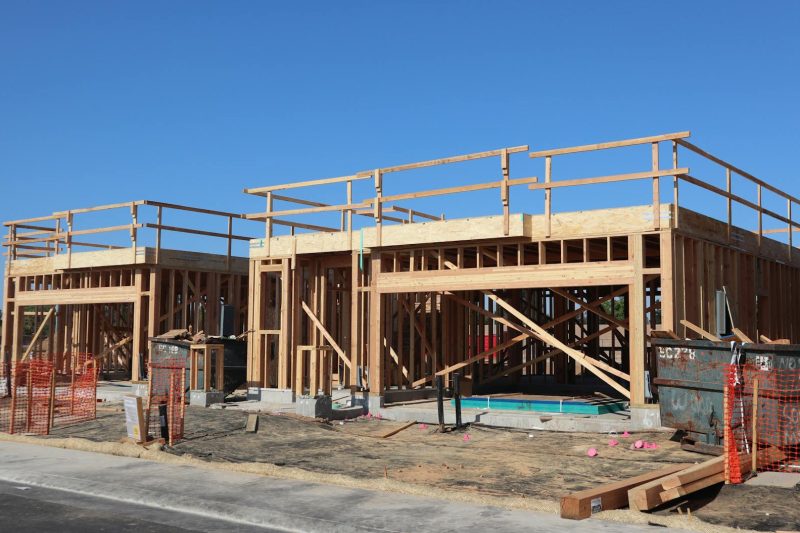
- Framing and ‘dried in’
- Roof and exterior complete
- Major systems installed
- Final completion
Before each draw, your lender may order an inspection or approve invoices—typical in Cardiff, Encinitas, and surrounding communities. This protects you and ensures the work matches your plans.
Down Payments, Fees & Closing Costs
Most construction loans require a larger down payment than standard purchase loans. Required amounts vary—expect to show cash available for both land and construction costs, even if you already own your lot. In addition to standard closing costs, construction loans may include:
- Inspection fees (for each draw)
- Title updates at each stage
- Construction management or administration fees
- Builder’s risk/homeowner’s insurance during building
Because every scenario and loan program is different, it’s smart to review your total budget—including reserves for cost overruns or change orders—before you start building.
Pros and Cons of Construction Loans
| Pros | Cons |
|---|---|
| Customize every aspect of your new home | Requires higher documentation and financial strength |
| Interest-only payments during the build | Two approvals: builder/project and borrower |
| Modern building standards—energy, features, and design | Can take longer and cost more than purchasing a finished home |
| Potential to build equity as you build | Interest rates and fees may be higher than standard loans |
Tips for Success: Local Insights
- Work with local experts. A builder and lender who understand North County codes and timelines can help avoid costly delays.
- Plan for contingencies. Weather, material shortages, or permit issues can stall your project—budget reserves are critical.
- Know your closing plan. If you need to sell your current home or coordinate a move-in date, communicate those needs early.
- Get pre-approved before starting plans with your builder. This can help you set a realistic budget and maximize your design choices safely.
Ready to Explore a Construction Loan in Cardiff or North County?
If you’re thinking about building a home in Cardiff or nearby communities, let’s connect early—ideally before purchasing land or signing with a builder. I’m here to review your scenario, explain options, and help you plan the smoothest path from dream to move-in. Call, text, or email me to get pre-approved or compare your construction loan options.
Frequently Asked Questions
Can I use a construction loan to build a home on land I already own?
Yes, if you already own your lot, you may use the land’s current value as equity for your construction loan. The lender will consider your land ownership as part of your down payment or collateral, but requirements vary by lender and scenario.
How do draw schedules work with my builder?
Funds are released to your builder in phases based on work completed and approved by inspections. Both you and your contractor must agree to a draw schedule with the lender before construction begins to ensure everyone is on the same page.
Do I need to sell my current home before starting a construction loan?
You do not always need to sell your current home first, but qualifying for both payments may be necessary if you plan to keep it during construction. Some borrowers use bridge or temporary financing to help during the transition.
Are construction loans available for self-employed buyers?
Yes, self-employed buyers can qualify for construction loans, but you’ll need to provide extra documentation such as recent tax returns, business licenses, and bank statements to verify income and stability.
What if building costs increase during construction?
If costs go up, you might need to provide additional funds at closing or adjust your plans, as lenders only finance up to a set amount based on your approved contract and appraisal. Having a contingency fund or discussing options with your lender early is recommended.
This is educational and not financial advice. Loan programs and guidelines can change. Talk with a licensed mortgage professional about your specific scenario.

Related Posts