Whether this is your first or tenth home purchase, shopping for a new home is…
Construction Loan Basics: How I Help You Build Your Dream Home from the Ground Up
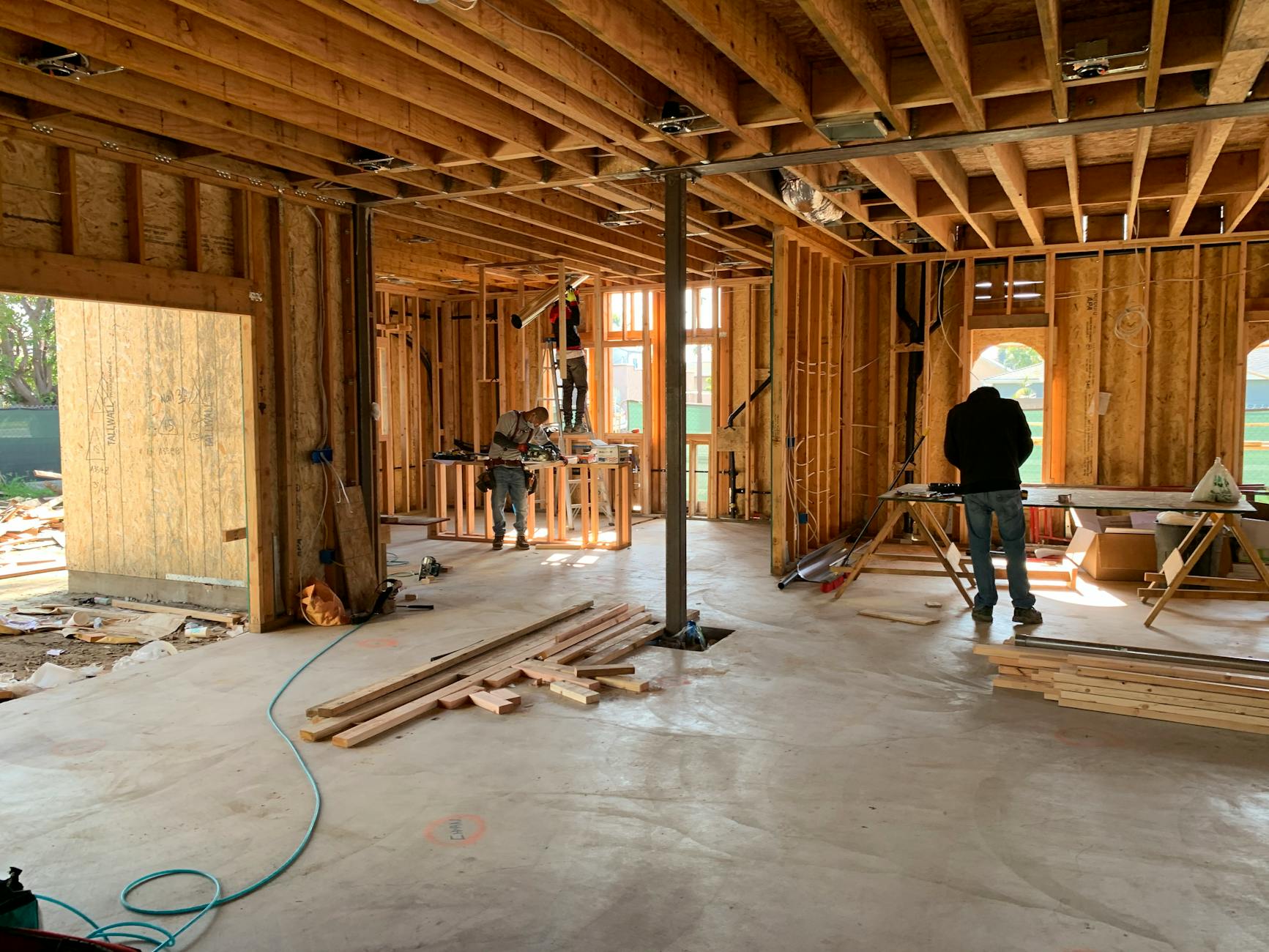
Building a custom home can be both thrilling and a bit confusing when it comes to the financing process. **A construction loan is a short-term, specialized mortgage that covers the costs to build or renovate your home, typically converting to a traditional mortgage upon completion.** In this article, I’ll clearly explain how construction loans work, what you need to qualify, and what the building process looks like for buyers around Cardiff, Encinitas, Carlsbad, and Del Mar.
Key Takeaways
- Purpose: Construction loans finance building a new home or major renovation, then transition to a regular mortgage.
- Requirements: Lenders typically look for strong credit, verifiable income/assets, and a licensed builder’s detailed plans and budget.
- Timeline: Most construction loans last 6-18 months until the build is complete, then refinance into a permanent mortgage.
- Best For: Ideal for buyers wanting a custom build, major remodel, or to control key design choices—especially first time builders in CA.
Quick Answers
- What is a construction loan? It’s short-term financing that covers building or renovating, later converted into a standard home loan.
- How is it different from a regular mortgage? Funds are released in stages based on construction progress, not all at once like a purchase loan.
- What credit and down payment do I need? Guidelines vary by lender, but strong credit scores and larger down payments are common.
- Can self-employed or first time buyers qualify? Yes, but documentation and builder approval requirements may be more detailed.
- Can I use a construction loan for renovations? Yes—major remodels and large upgrades can often be financed this way too.
What is a Construction Loan? (Definition & Key Features)
A construction loan is a short-term, specialized mortgage that funds the land purchase (if needed) and the costs of building or major renovation. Instead of receiving the full loan amount at closing (like a traditional mortgage), the lender pays the builder in draws as each phase of construction is completed.
- Short-term: Usually 6 to 18 months until construction is done.
- Interest-only Payments: During construction, you’ll likely pay only interest on the amount drawn so far.
- One-Time or Two-Time Close: Some loans automatically convert to a regular mortgage after construction (“one-time close”), while others require a second closing or refinance.
Who Typically Uses Construction Loans?
I often work with clients in Cardiff, Encinitas, Carlsbad, and Del Mar who want to build a dream home on the coast, revamp an older house, or add major additions. Construction loans are popular among:
- First time home builders and buyers who want a say in the design
- Veterans looking to build with benefits from VA construction options when available
- Self-employed borrowers who have structured builder relationships and budget documentation
- Investors and developers (with alternate guidelines)
How Does a Construction Loan Work? Step-by-Step
- Application & Pre-Approval: Work with a loan officer to discuss your project, verify qualifications, review builder credentials, and set a realistic budget.
- Builder Selection & Plans: Submit detailed contracts, architectural plans, and permits. The builder must usually be licensed and approved by the lender.
- Loan Approval & Closing: After appraisal and underwriting, funds close into a construction escrow account.
- Draw Schedule: Money is released in multiple “draws” after each construction milestone is inspected and approved (foundation, framing, completion, etc.).
- Interest-only Payments: You make monthly payments on the amount disbursed to date, not the entire loan amount.
- Completion & Conversion: When done, your construction loan is typically paid off by a permanent mortgage (sometimes called “end loan”).
What Are the Main Requirements for a Construction Loan?
Every situation is different and guidelines can vary by lender, but most construction loans for homes in Cardiff or coastal San Diego require the following:
- Good Credit: A higher score (often 680 or above) is preferred, but varies by program and down payment.
- Solid Income & Assets: Ability to cover construction costs, reserves, and the new mortgage payments.
- Detailed Plans & Budget: Detailed documentation from your chosen (and approved) builder, including cost breakdown and timeline.
- Licensed General Contractor: Most lenders require you to use a professional, experienced builder versus self-builds.
- Down Payment: Typically at least 10-20% of total costs (land + construction), but some programs allow less with strong qualifying.
Comparison: Construction Loans vs. Traditional Mortgages
| Feature | Construction Loan | Traditional Mortgage |
|---|---|---|
| Purpose | Build new or major remodel | Purchase existing homes |
| Disbursement | Draws tied to progress | Full funds at closing |
| Loan Term | 6–18 months, then converts | Typically 15–30 years |
| Payments During Build | Interest-only, as drawn | Full principal & interest |
| Approval | More documentation, builder approval | Standard underwriting |
Can First Time Buyers or Self-Employed Qualify for Construction Loans?
Yes—construction financing is available to first time buyers and self-employed clients, but expect to provide more documentation about your income and the builder’s credentials. I regularly guide clients with varied work histories or business ownership through these extra steps, especially in the Cardiff area where building opportunities are unique.
- Self-employed borrowers: Lenders evaluate business and personal tax returns, bank statements, and income trends.
- First time buyers: Expect more questions about your experience with homeownership and your construction team.
- Veterans: There are VA-backed construction loan options for those who qualify, with added benefits.
Top Tips Before Starting Your Build in Cardiff and Coastal North County
- Plan Ahead: Start with pre-approval and builder selection before searching for land or finalizing plans.
- Know Your Budget: Set realistic numbers for land, build, and permitting costs—these can vary along the San Diego coast.
- Stay Organized: Keep all builder contracts, permits, receipts, and progress photos together for easy lender review.
- Factor in Timelines: Weather, permitting, and inspections can affect your project’s timing—expect a longer process than a standard home purchase.
How I Help Clients with Construction Loans
With 15 years of experience and deep roots in Cardiff, I guide my clients step-by-step through selecting the right program, gathering documentation, and navigating every milestone. From first contact to project completion, I help you understand requirements, set expectations, and solve any issues that pop up along the way.
Thinking about building, renovating, or buying land? Let’s connect to review your plans and compare construction loan options. Call, text, or email me at Vonk Home Loans so we can discuss your goals, consider pre-approval, and clarify next steps together.
Frequently Asked Questions
Can I act as my own builder for a construction loan?
Most lenders require you to hire a licensed general contractor rather than self-build, but some specialized programs allow exceptions for experienced individuals. Requirements vary, so ask your lender early in the process.
Do construction loans cover the cost of buying land?
Yes, many construction loans can include both the land purchase and building costs in the loan amount, depending on your scenario and the lender’s guidelines.
How long does it take to close a construction loan?
Timelines vary, but expect the approval and closing process to take longer than a standard mortgage—often 45 to 60 days or more. Pre-approval and having plans ready can help speed things up.
Can I use a construction loan for remodeling an existing home?
Yes—major renovations, additions, or tear-down/rebuilds may be eligible for construction financing, depending on the scale of work and lender rules.
What happens if my builder goes over budget or there are construction delays?
If costs run higher than expected or construction takes longer, you may need to cover the difference or request loan modifications, subject to lender approval. Communicate early and often about any issues to avoid surprises.
This is educational and not financial advice. Loan programs and guidelines can change. Talk with a licensed mortgage professional about your specific scenario.

Related Posts