
Ready to build your dream home? Explore our construction home loans.
Building a home is a big step. Our construction home loans are designed to support you at every stage of this exciting journey.
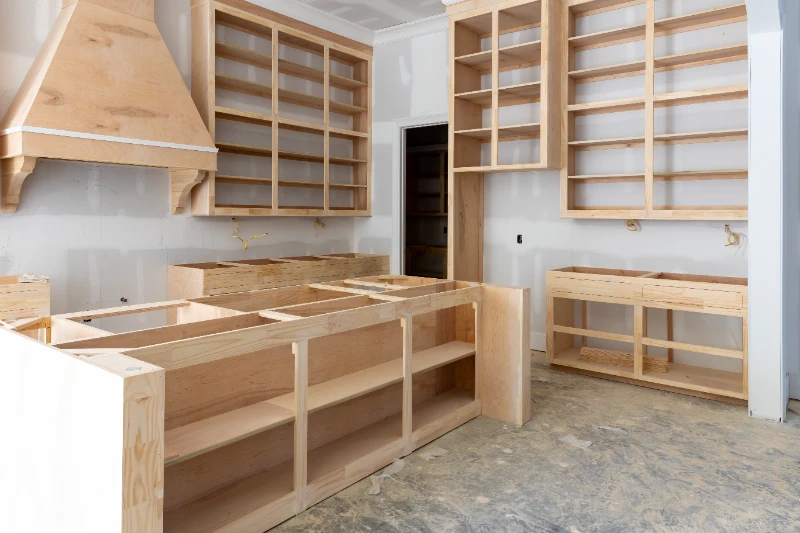
A construction home loan finances the cost to build or substantially remodel a home, from the ground up through completion. If you’re exploring a construction home loan in Cardiff, CA, we help you plan the budget, select the right loan structure, and manage the draw process through completion. At Barnstable Financial Group (NMLS #12345), our Cardiff-based team guides you from first idea to final inspection with clear expectations and steady communication.
Here’s the bottom line up front: Construction financing is different from a regular mortgage because funds are released in stages, interest accrues only on what’s drawn, and the project, builder, and plans must be approved before you close. In coastal North County, the right structure and timeline make all the difference.
Key Takeaways
- Two main structures: Choose between a single-close construction-to-permanent loan or a construction-only loan with separate permanent financing later.
- Interest-only during the build: You pay interest only on funds disbursed through draws, which helps manage cash flow while construction progresses.
- Builder and plans must be approved: Lenders review your licensed general contractor, budget, permits, and detailed plans before issuing the loan.
- Rates and costs differ from standard mortgages: As of 2026, construction-phase rates and fees are typically higher than traditional purchase loans due to short-term risk and inspections.
- Land equity can help: If you already own the lot, the land’s value may count toward your required down payment and reserves.
- Local expertise matters: Coastal zoning, HOA design reviews, and inspection sequencing in San Diego’s North County can affect timelines and costs.
Quick Answers About Construction Home Loans in Cardiff, CA
Construction loans release funds in stages and convert to long-term financing when the home is complete. Here are direct answers to the most frequent questions we hear from Cardiff-area borrowers.
- What is a construction-to-permanent loan? It’s a “one-time close” loan that funds the build with interest-only draws and then converts to a traditional mortgage at completion, so you avoid a second closing.
- How much down payment do I need? It varies by program, property type, and your profile; some borrowers use land equity to meet the requirement, while others bring cash—let’s review current options for 2026 limits and guidelines.
- How is interest charged during construction? You pay interest only on the amount drawn, not the full loan amount, and draws occur after verified milestones and inspections.
- How long does the construction period last? Timelines depend on permitting and scope, but many projects plan for roughly 9–18 months; some investors allow longer with documented progress.
- Can self-employed borrowers qualify? Yes—documentation is key, and our Bank Statement Program may help show income when tax returns don’t tell the whole story.
- Do you serve areas outside California? We’re licensed in California and focus on San Diego County markets, including Cardiff-by-the-Sea.
How Construction Home Loans Work in Cardiff, CA
The construction loan process is structured, documentation-heavy, and designed to protect both you and the lender. Here’s how we typically guide Cardiff clients from concept to completion.
- Initial Planning and Pre-Qualification: We review your goals, budget, credit, income, and available funds to estimate a realistic project scope. If you need to secure the lot first, we’ll discuss timing or a short-term solution like our Bridge Home Loan.
- Choose the Loan Structure: Decide between construction-to-permanent (one closing) or construction-only (two closings). As of 2026, conventional, jumbo, and select government-backed options exist, but availability and terms vary by investor and project profile.
- Builder and Project Approval: The lender reviews your licensed general contractor’s credentials, insurance, and track record, plus detailed plans, specs, and a line-item budget. An “as-completed” appraisal estimates future value based on the approved plans and market comps.
- Underwriting and Closing: We package your income and asset documentation, verify permits or permit readiness, and finalize the draw schedule and contingency reserve. You sign closing documents, and a dedicated construction escrow is set up to manage draws.
- Draws, Inspections, and Controls: Funds are disbursed in stages after third-party inspections confirm progress and lien waivers are collected. Change orders require approval to protect budget integrity and your end valuation.
- During-Build Payments and Risk Management: You make interest-only payments on the drawn balance, and builder’s risk insurance typically remains in force until completion. In our experience, staying ahead of inspections and invoices helps keep momentum steady and costs contained.
- Conversion to Permanent Financing: With final inspections passed and a certificate of occupancy in hand, construction financing pays out the last draw and converts to a long-term loan. Many clients choose a predictable option such as a fixed-rate mortgage for stability.
Is a Construction Home Mortgage Right for You?
Construction financing fits borrowers who want to build new or undertake major structural renovations and have the patience for a milestone-driven process. Ideal candidates include families planning a custom home, homeowners pursuing a tear-down/rebuild, and buyers who already own a lot with equity to leverage. In our experience, organized clients who line up permits early, choose an experienced builder, and keep a contingency reserve have the smoothest experiences.
Other options may be better if your scope is cosmetic, your timeline is inflexible, or your budget is tight. For lighter renovations, a Rehab Loan or HELOC can be simpler and faster. If you’re buying a higher-priced coastal property where the permanent loan will exceed conforming thresholds, we’ll evaluate a Jumbo Home Loan at the end of construction. Self-employed borrowers who need alternative documentation can explore our Bank Statement Program to help document income effectively.
Costs, Fees, and What to Expect for Construction Home Loans near Cardiff, CA
Construction loans carry unique costs tied to inspections, title updates, and fund control that differ from standard purchases. As of 2026, expect construction-phase rates to price above traditional mortgages due to short-term risk and the staged nature of funding. Closing costs may also be higher than a regular loan because of additional endorsements, inspections, and administrative services.
Down payment and reserves vary by program, property, and your profile. Some programs accept land equity toward the requirement; others may ask for cash to close and a contingency reserve for overruns. Permanent loan pricing depends on the market at conversion and whether you’re locking upfront in a one-time-close or later with a construction-only approach.
| Feature | Construction-to-Permanent | Construction-Only |
|---|---|---|
| Closings | One closing for build and permanent | Two closings (build now, permanent later) |
| During-Build Payments | Interest-only on drawn funds | Interest-only on drawn funds |
| Down Payment | Program-dependent; land equity may count | Program-dependent; land equity may count |
| Rate on Permanent Loan | May be set upfront or at conversion, per program | Locked when you secure the end loan later |
| Fees | Typically bundled into one transaction | Two sets of closing costs (construction and end loan) |
| Flexibility | Streamlined, fewer moving parts | More flexibility to shop permanent terms later |
Timelines depend on permits and scope, not just underwriting. Underwriting and builder approval can be completed in weeks with full documentation, while permits, coastal approvals, and inspections may set the true pace. What we typically see is that budgeting a realistic 10–15% contingency and starting the permit process early reduces surprises and keeps your schedule closer to plan.
Common Mistakes to Avoid
Avoiding a few common pitfalls can save months and thousands of dollars. Here are issues we see most often—and how to steer clear of them.
- Underestimating total project cost: Leaving out site work, utilities, and soft costs (design, permits, fees) can blow up budgets. Build a detailed line-item budget and include a contingency to handle unknowns.
- Selecting an unvetted builder: Lenders require licensed, insured contractors with a verifiable track record. Choose a GC who’s experienced with coastal builds and responsive to lender inspections and draw requests.
- Starting work before permits or closing: Early demolition or grading can create appraisal and title issues. Wait for permits and a closed loan so draws align with verified milestones.
- Weak documentation during draws: Missing invoices, lien waivers, or inspection access slows disbursements. Keep your paper trail clean so funds move on time.
- Skipping adequate insurance: Builder’s risk and course-of-construction coverage are critical during the build. Confirm coverage amounts and deductibles match your budget and lender requirements.
- Locking the wrong way: With a two-close approach, locking permanent terms too early or too late can cost money. Match your lock strategy to your project timeline and rate outlook.
Local Considerations for Construction Financing in Cardiff, CA
Building near the coast introduces zoning, environmental, and design factors that directly affect financing and timing. Cardiff is within the City of Encinitas and portions fall under California Coastal Commission oversight, so plan for coastal development permits, bluff and setback rules, and HOA or design review in neighborhoods like the Walking District. Proximity to the San Elijo Lagoon and FEMA flood maps may require additional studies, while San Diego’s seismic and wildfire resiliency standards influence materials, inspections, and insurance. Labor and material costs can run higher along the coast, so lenders watch budgets and contingencies closely; our local team knows how to sequence appraisals, permits, and inspections to keep projects moving.
Ready to Explore Your Construction Financing Options?
We’re local, we know San Diego’s coastal market, and we keep the process transparent from first conversation through final inspection. If you’re considering a construction home mortgage in Cardiff, CA, we’ll help you compare one-time-close versus two-close paths, evaluate land equity, and plan a draw schedule that works for you. Get started with Barnstable Financial Group (NMLS #12345) today by requesting a personalized quote at /quote/—we’re licensed in California and ready to talk through your project.
This is educational content and not financial advice. Loan programs and guidelines can change. Talk with a licensed mortgage professional about your specific scenario.
Surf our website to learn about our company, see our loan programs, and request a free consultation.
Get started today!
Fill out the questionnaire on this page to start a discussion about your mortgage needs today!
Frequently Asked Questions
What documents are usually needed?
Expect income, assets, credit, and property documentation; exact items vary by program.
How long does the process take?
Timelines vary; factors include appraisal, title, underwriting, and your responsiveness.
What affects my monthly payment?
Loan amount, term, property taxes, insurance, and HOA dues (if applicable).
Can I pay extra toward principal?
Many loans allow additional principal payments; verify any prepayment terms.
Will guidelines change?
Program rules and availability may change; a licensed professional can review your options.
