
Fix up your fixer upper home with a Rehab Loan.
You may be able to purchase a home and roll the costs of the renovation into your loan.
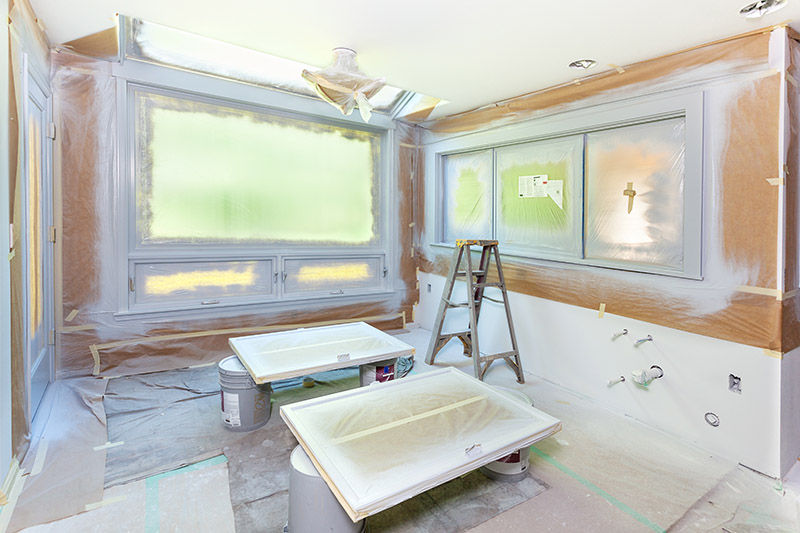
A rehab loan is a mortgage that combines the purchase (or refinance) of a home with the funds to renovate it, using the home’s after-renovation value to set your financing. For buyers and owners in Cardiff, CA, this can open up more options in established neighborhoods where many homes need updates. At Barnstable Financial Group (NMLS #12345), we structure rehab loans with clear timelines and a transparent process so you know what to expect from application to final inspection.
Key Takeaways
- Buy + Renovate in One Loan: Rehab financing wraps acquisition or refinance and improvements into a single mortgage based on after-renovation value.
- Multiple Program Types: Options include FHA 203(k) for owner-occupants, conventional renovation loans, and investor-focused programs.
- Licensed Contractors Required: Most programs require a licensed contractor, written scope of work, and lender-managed draws.
- Down Payments Vary: Owner-occupied options can allow low down payments, while investment properties typically require larger down.
- Appraisal Uses “As-Completed” Value: The appraiser evaluates the home’s value after improvements to size the loan.
- Timeline Is Longer Than Standard: Expect added time for bids, appraisal, and contractor approval compared to a plain purchase loan.
- Local Expertise Matters: Coastal permitting and HOA rules can impact projects, so working with a Cardiff-based team helps keep plans realistic.
Quick Answers About Rehab Loans in Cardiff, CA
Rehab loans finance both your property and its improvements with one closing and a managed construction draw process.
- What is a rehab loan? It’s a mortgage that finances a home plus planned renovations in one loan, using the “after-improved” value to determine the maximum loan amount.
- What types are available in California? Common choices are FHA 203(k) for owner-occupied homes, conventional renovation loans for primary/second homes and some investment scenarios, and investor rehab options for flips and rentals.
- How much down payment do I need? Owner-occupied programs can allow low down payments, while second homes and investment properties usually require higher down; exact requirements depend on the program and as-of-2026 guidelines.
- Can investors use rehab loans? Yes, but the terms, down payment, and documentation differ from owner-occupied options, and some programs have restrictions on property type and use.
- How are funds released for construction? Renovation money is held in an escrow account and paid in draws after inspections confirm completed work per the approved scope.
- How long does this take? Purchase-to-close often runs longer than a standard loan due to bids and appraisals; construction then follows a defined draw schedule and must be completed within program timelines.
How Rehab Loans Work
The rehab process adds steps—scope, bids, and draw management—so we build a clear plan before you write offers or start work.
- Discovery and pre-qualification: We review your credit, income, assets, and goals to match you with an appropriate rehab program. In our experience, clarifying whether the property will be owner-occupied, a second home, or an investment narrows choices quickly.
- Property selection and scope of work: You’ll identify the home and work with a licensed contractor to create a detailed, line-item bid. Lenders require a written scope with costs by trade and materials so appraisers and underwriters can evaluate feasibility.
- Appraisal based on after-improved value: The appraiser analyzes market comps and your contractor’s scope to estimate the “as-completed” value. This as-completed value, along with program loan-to-value rules, determines the maximum loan amount for purchase and improvements.
- Underwriting and approval: We verify income and assets, review contractor credentials, and confirm permits if required. Many programs also include a contingency reserve—often a percentage of the renovation budget—to cover unforeseen items.
- Closing and repair escrow setup: You close one mortgage that includes funds for the purchase (or payoff in a refinance) and the renovation budget. The renovation funds are deposited into a lender-controlled escrow account for disbursement during construction.
- Construction and draw inspections: Work begins after closing, and your contractor requests draws as milestones are completed. A third-party inspector verifies progress, and we release funds according to the approved schedule.
- Project completion and final sign-off: Once work is finished, we obtain final inspections and any required permits or occupancy certificates. The loan continues as a standard mortgage, and you enjoy the improvements you planned.
Is a Rehab Mortgage Right for You?
Rehab financing fits buyers and owners who see value in improving a property and can manage a defined project plan.
The ideal borrower is comfortable coordinating with a contractor and can provide documentation to support income and assets. If you’re eyeing a home that needs updates to compete with nearby listings, or you want to modernize your current place through a refinance, a rehab mortgage can be a smart way to leverage the as-completed value. Self-employed buyers who need flexible income documentation may also pair renovation financing with our Bank Statement Program, subject to program availability and as-of-2026 guidelines.
Who should consider alternatives? If your upgrades are minor—like paint, flooring, or small non-structural changes—a HELOC or a refinance may be simpler and faster. If the property needs major structural work beyond typical rehab limits or you’re planning an addition from the ground up, a Construction Home Loan may better match your scope. Investors who intend to renovate and resell quickly may want to evaluate our Fix & Flip Home Loan options for speed and flexibility, understanding the trade-offs in terms and costs.
Costs and Timelines for a Rehab Mortgage
Expect slightly higher rates and more fees than a plain purchase loan due to the added construction risk and oversight.
Down payment requirements depend on occupancy and program: owner-occupied rehab mortgages can allow lower down payments, while second homes and investment properties typically require more. Interest rates are generally higher than a standard purchase or rate/term refinance because of construction risk and post-close draw management. As of 2026, closing costs often include standard lender fees plus appraisal supplements, inspection charges, title updates for each draw, and a contingency reserve held in escrow.
Timelines run longer than a standard purchase—allow extra time for contractor bids, appraisal review, and draw setup. From contract to close, many rehab purchases take more time than a typical loan; construction windows vary by program and scope but are commonly measured in months, not weeks. In our experience, having a responsive contractor and permit plan is the single biggest factor in staying on schedule.
| Feature | Rehab Mortgage | Standard Purchase Loan | HELOC or Cash-Out |
|---|---|---|---|
| Down Payment | Low to moderate for owner-occupied; higher for second home/investor | Varies; often moderate to high for best pricing | Based on home equity; no purchase down payment |
| Interest Rate | Typically higher than standard purchases | Typically lower than rehab | Variable or fixed; often based on prime or market rates |
| Closing Costs | Includes standard fees plus inspection/draw/admin costs | Standard lender, title, and escrow fees | Usually lower upfront than full refinance |
| Appraisal | As-completed (after-renovation) value | As-is market value | As-is market value |
| Funds for Renovation | Held in escrow; paid in draws after inspections | Not included | Borrower-managed from line of credit or cash proceeds |
| Timeline to Close | Longer due to bids and approvals | Typically shorter | Often shorter than rehab |
Common Rehab Loan Mistakes to Avoid
Most rehab setbacks come from vague scopes, weak contractor vetting, or underestimating total costs.
- Vague or incomplete scope of work: Lenders and appraisers need detailed, line-item bids that match the permit path. Ambiguous scopes delay approvals and can limit how much value the appraiser can credit.
- Skipping contractor due diligence: Many programs require a licensed, insured contractor with verifiable experience. Using an unvetted contractor can cause draw denials or costly rework.
- Underestimating contingency: Older homes often reveal surprises once walls open. Building in a realistic contingency can prevent mid-project cash crunches and change-order delays.
- Focusing only on interest rate: Rehab loans include draw fees, inspection costs, and administrative charges that affect the all-in cost. Compare total costs and timeline, not just the note rate.
- Ignoring permit and HOA timing: Coastal and HOA communities may require architectural review and multiple inspections. If your contractor’s schedule assumes instant approvals, the budget and timeline can slip.
- Overimproving for the neighborhood: An ultra-high-end finish package doesn’t always appraise in line with costs. We help you balance finishes with likely resale and appraisal support.
Local Considerations for Rehab Loans in Cardiff, CA
Coastal rules, older housing stock, and micro-market comps shape rehab budgets and timelines near the beach.
Cardiff, CA sits in a coastal zone where permitting can require extra review, including coastal development considerations, noise/traffic limits, and environmental checks. Many homes are older and may need seismic upgrades, electrical panel replacements, or drainage work that isn’t obvious at first glance. HOAs for townhomes and condos often restrict exterior changes and structural work, and flood or fire risk can affect insurance costs and contractor requirements. Appraisals rely on hyper-local comps along the San Diego coastline, so we calibrate scopes to what buyers support in these micro-markets. In our experience at Barnstable Financial Group (NMLS #12345), early conversations with your contractor about permits and HOA rules save weeks later.
Ready to Explore Your Rehab Loan Options?
We’re a Cardiff-based team with deep roots in San Diego’s coastal markets, and we’ll guide you through a clear, step-by-step rehab strategy.
Let’s discuss your project, compare programs like FHA 203(k) through our FHA Home Loan resource, and weigh alternatives such as a HELOC or specialized Construction Home Loan when the scope demands it. If you’re exploring investment strategies, we can also review Fix & Flip financing to understand speed, costs, and resale timelines. Get started with Barnstable Financial Group (NMLS #12345) today, and we’ll map an approach that matches your budget, calendar, and renovation goals.
This is educational content and not financial advice. Loan programs and guidelines can change. Talk with a licensed mortgage professional about your specific scenario.
Surf our website to learn about our company, see our loan programs, and request a free consultation.
Get started today!
Fill out the questionnaire on this page to start a discussion about your mortgage needs today!
Frequently Asked Questions
What documents are usually needed?
Expect income, assets, credit, and property documentation; exact items vary by program.
How long does the process take?
Timelines vary; factors include appraisal, title, underwriting, and your responsiveness.
What affects my monthly payment?
Loan amount, term, property taxes, insurance, and HOA dues (if applicable).
Can I pay extra toward principal?
Many loans allow additional principal payments; verify any prepayment terms.
Will guidelines change?
Program rules and availability may change; a licensed professional can review your options.
